Project Overview
The Sustainable Resilience Project is an 8-month initiative (May–December 2025) implemented by FAPAD Uganda in partnership with VI Agroforestry. The project supports 480 smallholder farmer families across Akwon and Agikdak Subcounties in Amolatar District to build resilience against climate-related challenges through sustainable agriculture, biodiversity conservation, and gender-transformative approaches.
Overall Objective
To enhance the resilience of smallholder farmer families in Akwon and Agikdak Subcounties to climate-related disaster risks through climate change mitigation, adaptation, and biodiversity conservation.
Specific Objectives
Climate Resilience
Increase smallholder farmer families' resilience to climate change through sustainable farming and adaptation practices.
Agroecosystem Health
Enhance biodiversity, environmental resilience, and sustainable land use in targeted communities.
Agroforestry Policy
Support implementation of Sustainable Agricultural Land Management (SALM) and agroforestry policies.
Project Approaches
Integrated Climate Risk Management
Integrated Farm Planning
Human Rights-Based Approach
Gender Transformative Approaches
Activities
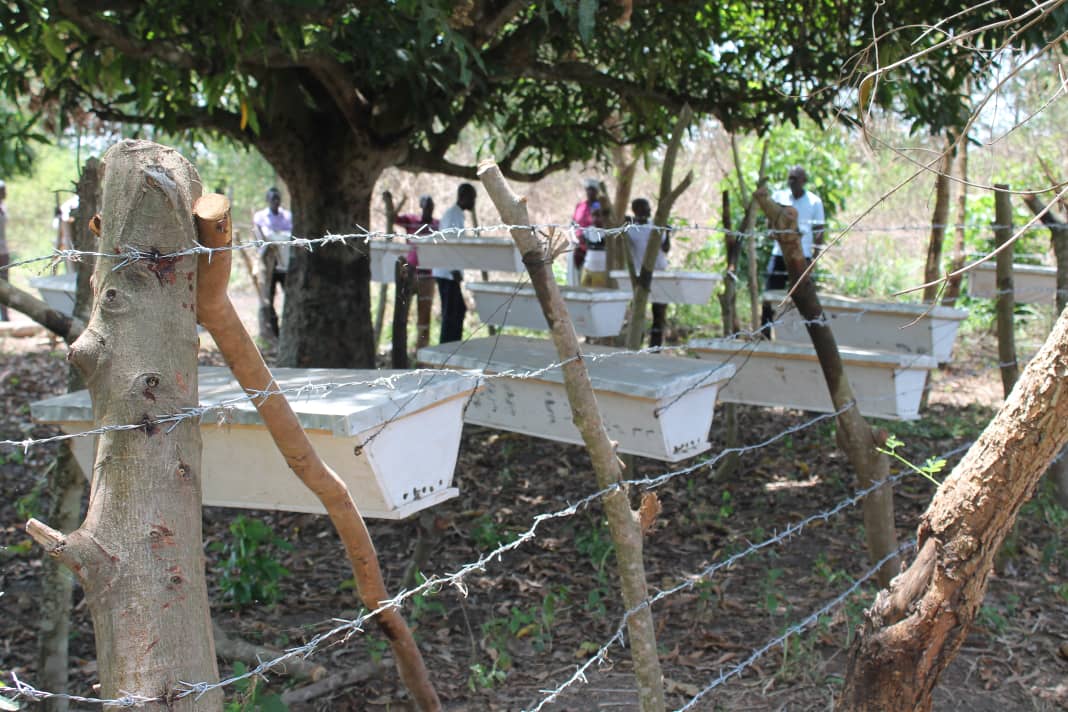
Target Beneficiaries
The project directly supports 480 smallholder farmer families (120 youth-headed, 288 women-headed, and 72 men-headed households) across 8 villages. Indirectly, it reaches over 6,699 people through school clubs, local government engagement, and media sensitization.
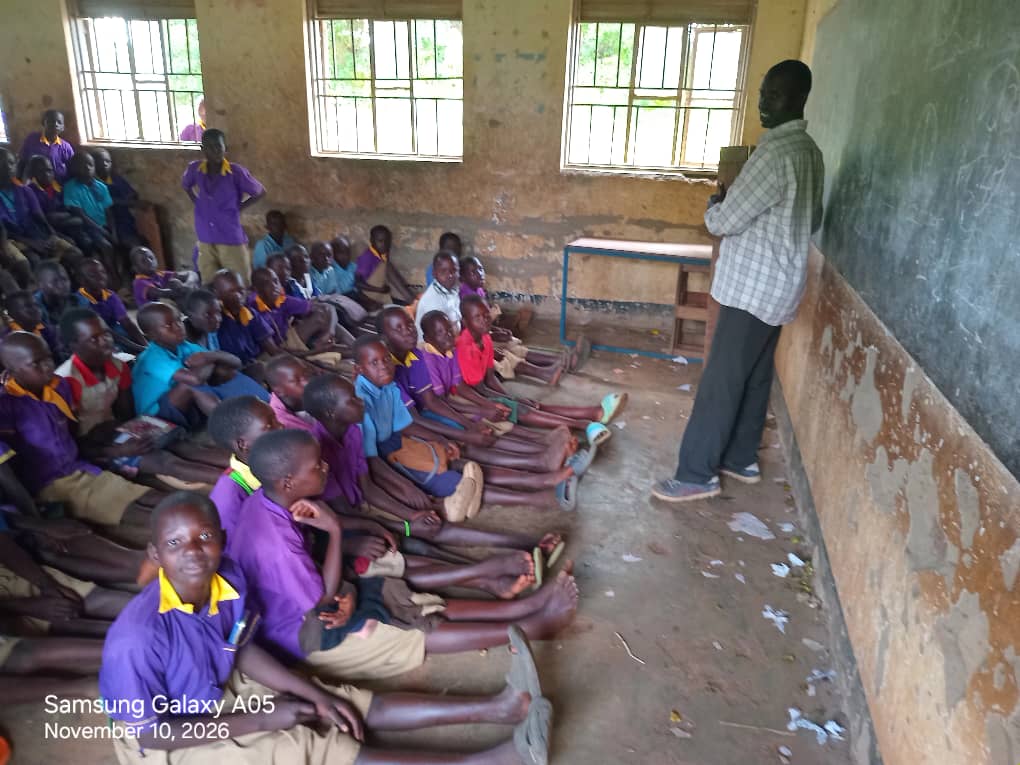
Strengthening Social Accountability in Schools
The Social Accountability Committee (SAC) of Akwon Parish, Akwon Sub-County, was welcomed by the Head Teacher of Akwon Primary School during a monitoring visit to inspect the newly constructed pit latrine.
The visit highlights the importance of community participation, transparency and accountability in improving school sanitation facilities.
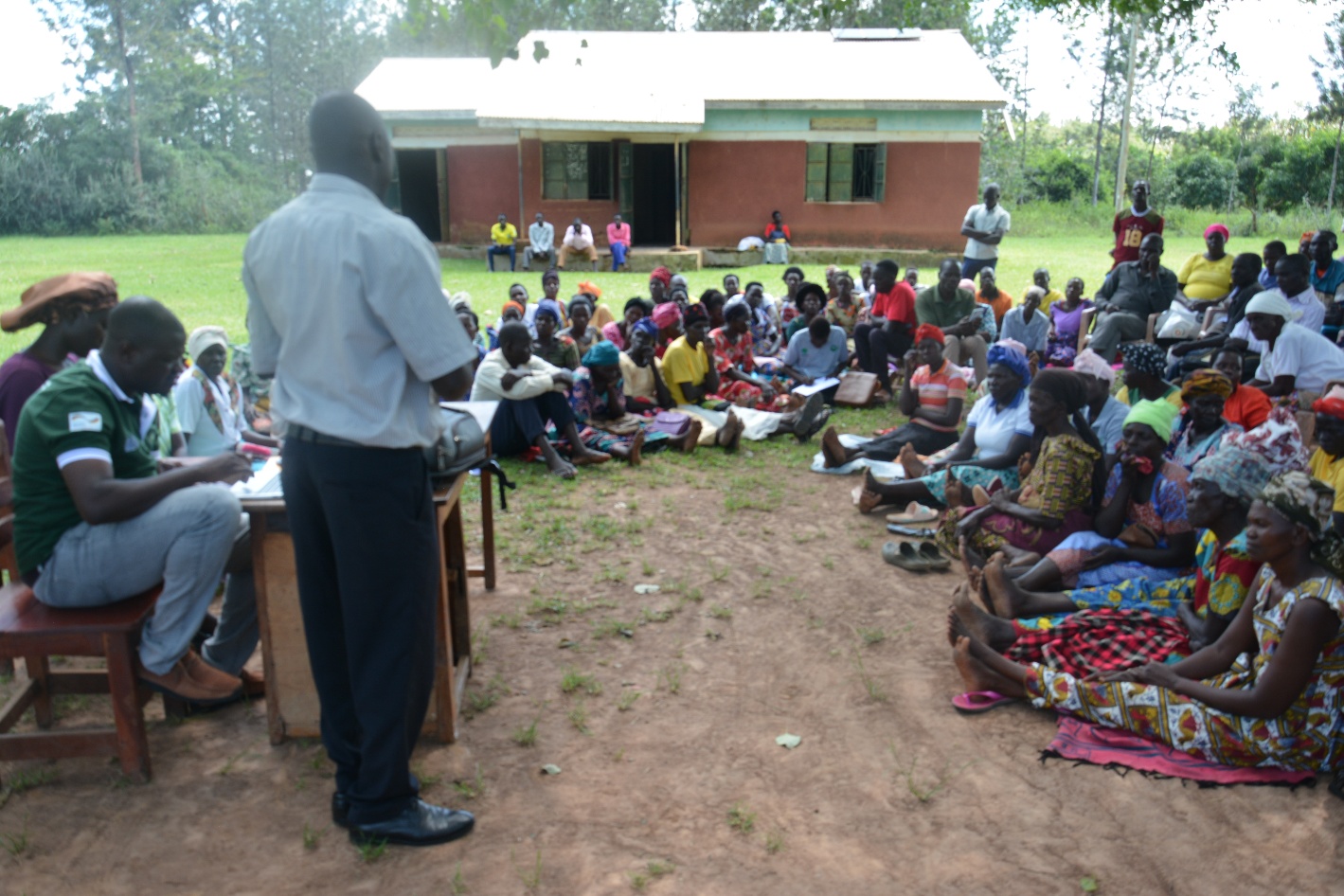
Empowering Communities Through Civic Awareness
FAPAD facilitated a training on Citizens’ Rights, Roles and Responsibilities in Akwon Sub-County, led by FAPAD staff member Ojok Emmanuel and District Forest Officer Eric, delegated by the Amolatar District Community Development Officer (DCDO).
The training aimed to strengthen civic awareness, encourage active citizen participation and promote accountability, responsible citizenship and inclusive community development.
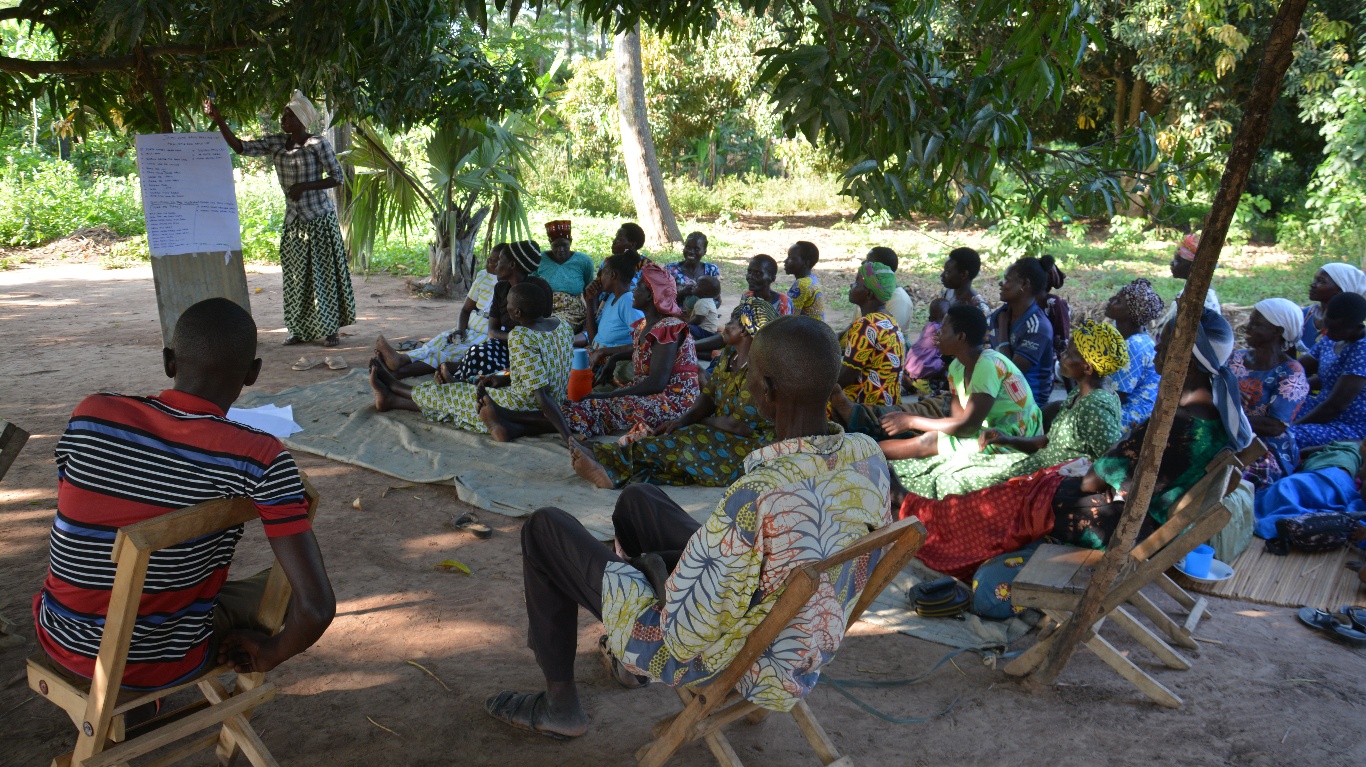
Empowering Households Through Participatory Planning
Susan, a farmer group member, sharing her views during a Household Road Map Training session, demonstrating active participation in family goal-setting, joint decision-making and planning for improved livelihoods and household well-being.
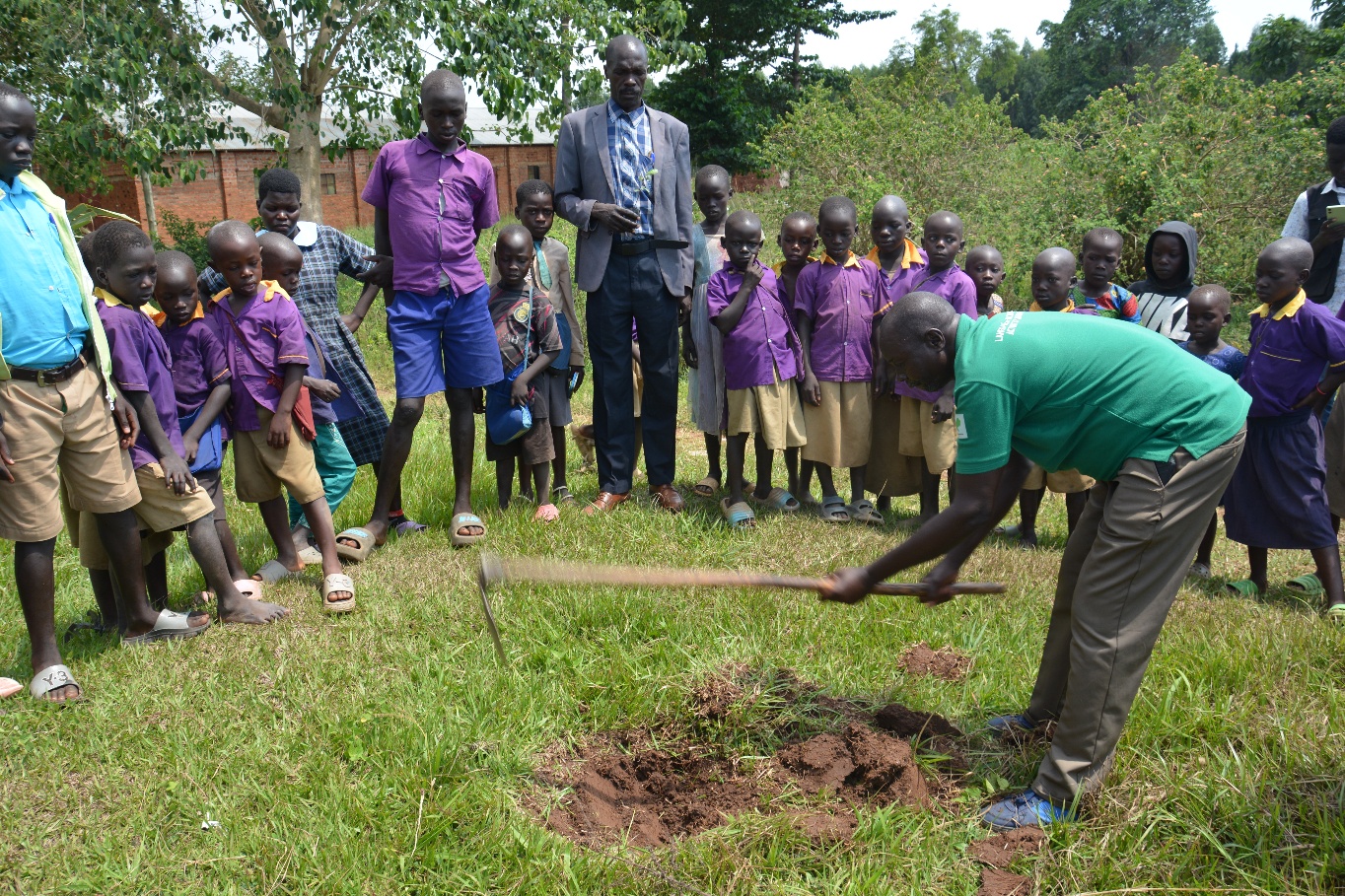
Planting Today for a Greener Tomorrow
The Chairperson of the Parents–Teachers Association (PTA) at Akwon Primary School digging a hole to plant a tree during a tree-planting campaign, demonstrating community leadership and commitment to environmental conservation, land restoration and climate resilience.
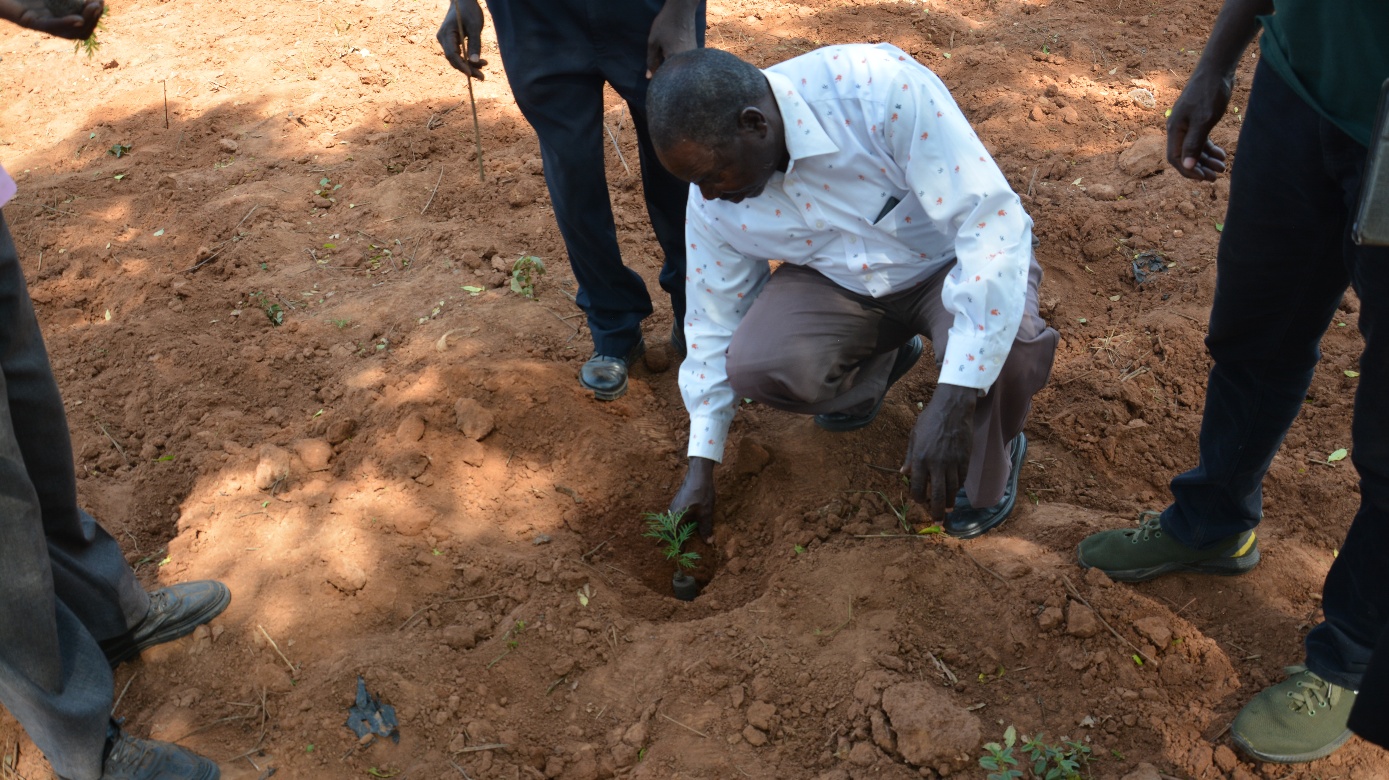
Planting Trees, Growing a Greener Future
The Head Teacher of Aweeiwot Primary School planting a tree on bare ground during a tree-planting campaign, demonstrating leadership in environmental conservation, land restoration and climate action while inspiring learners to protect the environment.
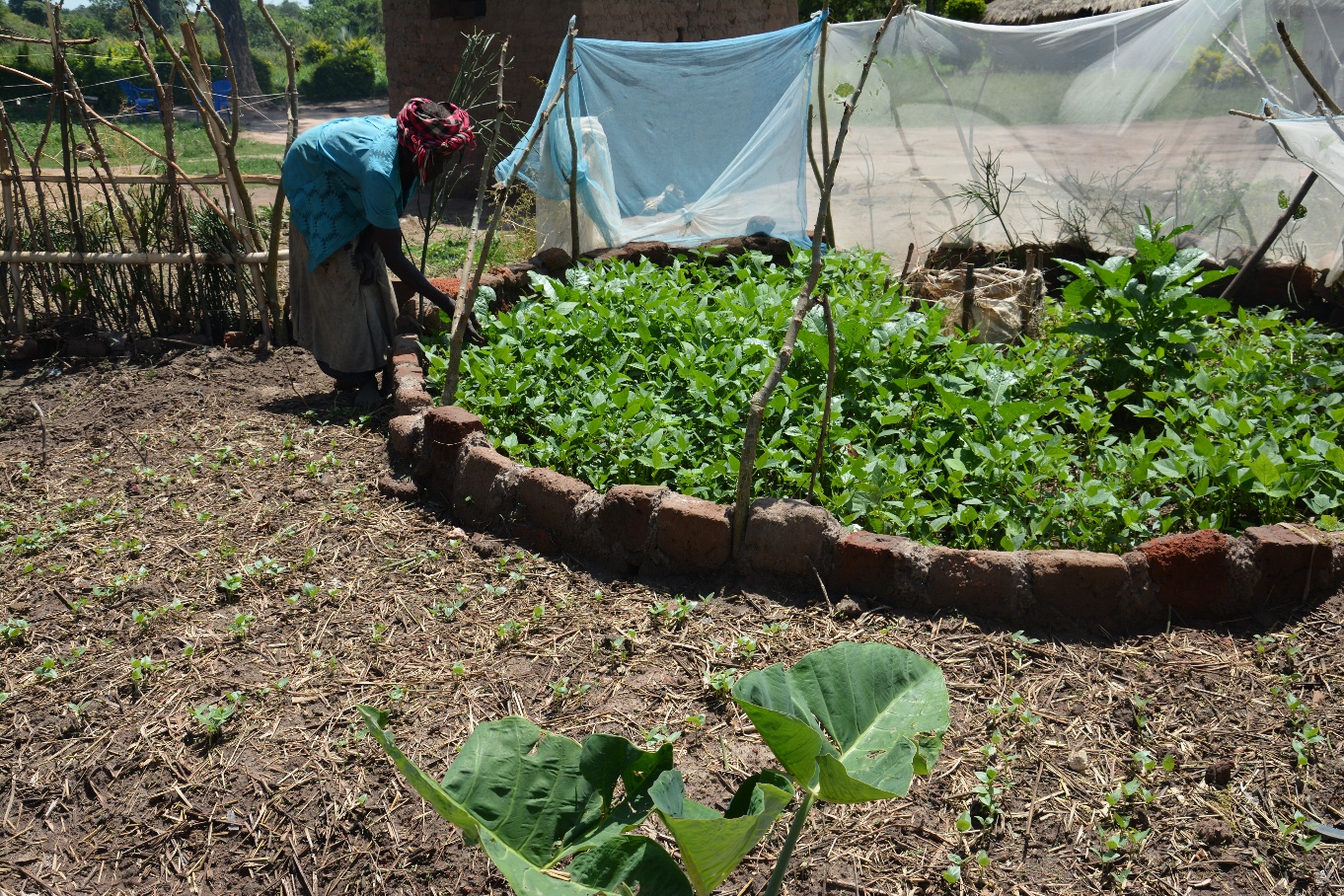
Harvesting the Fruits of Sustainable Farming
Phoebe, a FAPAD project beneficiary, harvesting fresh vegetables near her extended ridge garden, showcasing how nutritional gardening practices contribute to improved household nutrition, food security and sustainable livelihoods.
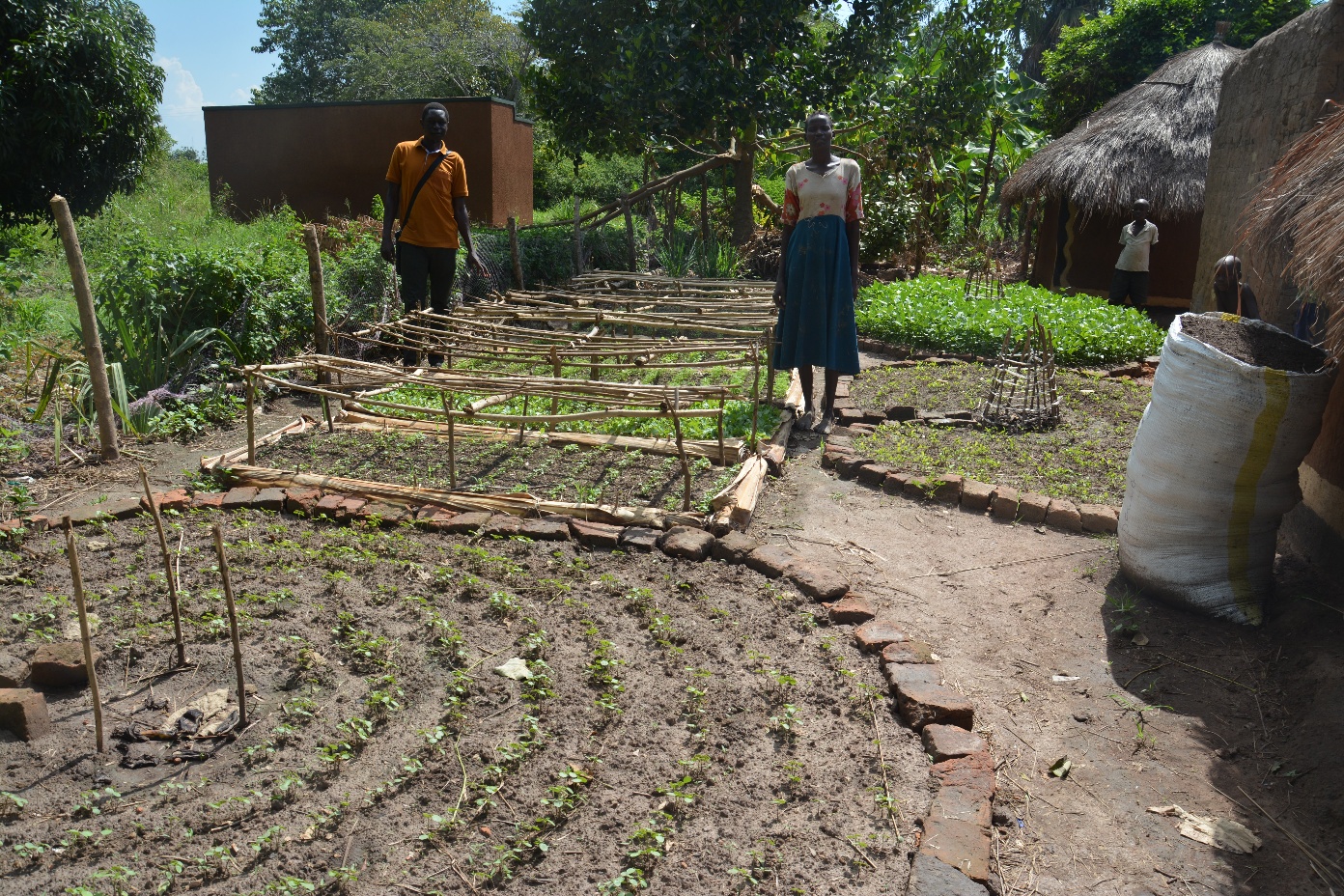
Promoting Sustainable Farming and Household Nutrition
FAPAD staff conducting a project monitoring visit to a farmer practising nutritional gardening, assessing progress and encouraging sustainable agricultural practices that enhance household nutrition, food security and community resilience.
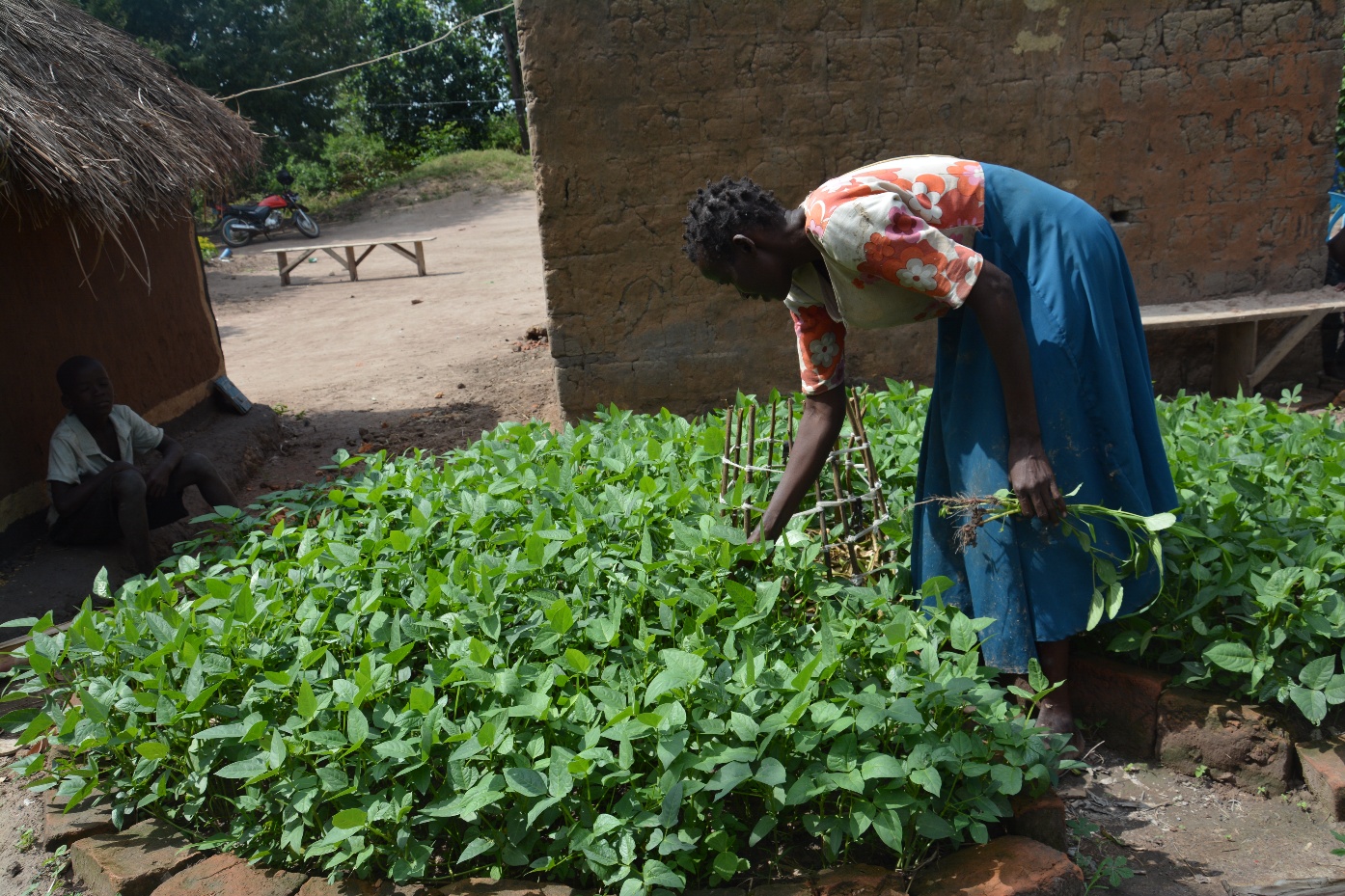
Nurturing Healthy Gardens, Strengthening Household Nutrition
The wife of farmer group member Okao Kazura actively weeding their compost basket garden, demonstrating household participation in sustainable farming practices that promote improved nutrition, food security and environmental sustainability.
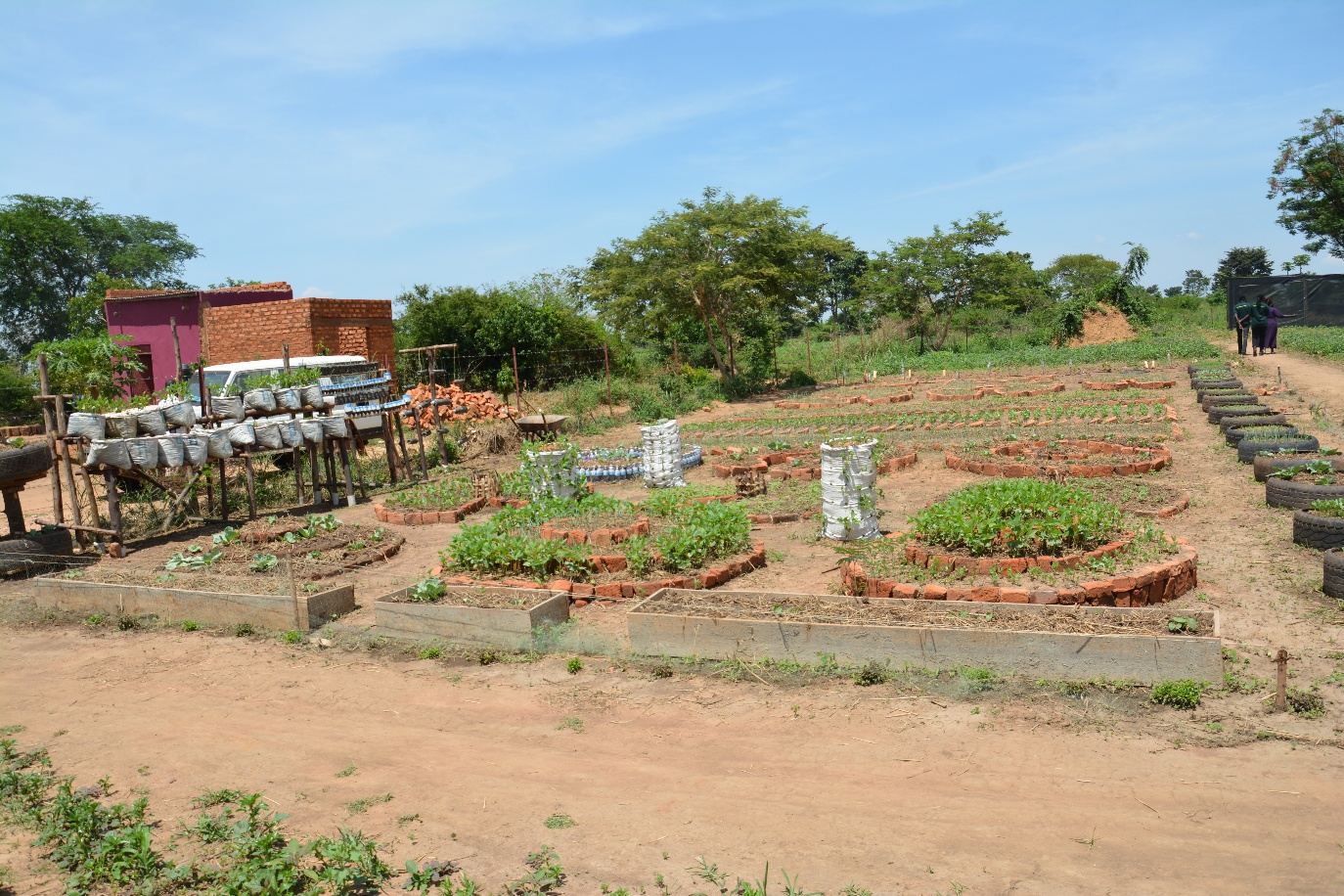
Growing Healthy Communities Through Sustainable Nutrition
Nutritional gardens at the FAPAD Institutional Farm, showcasing sustainable vegetable production and promoting household food security, improved nutrition and climate-smart agricultural practices.
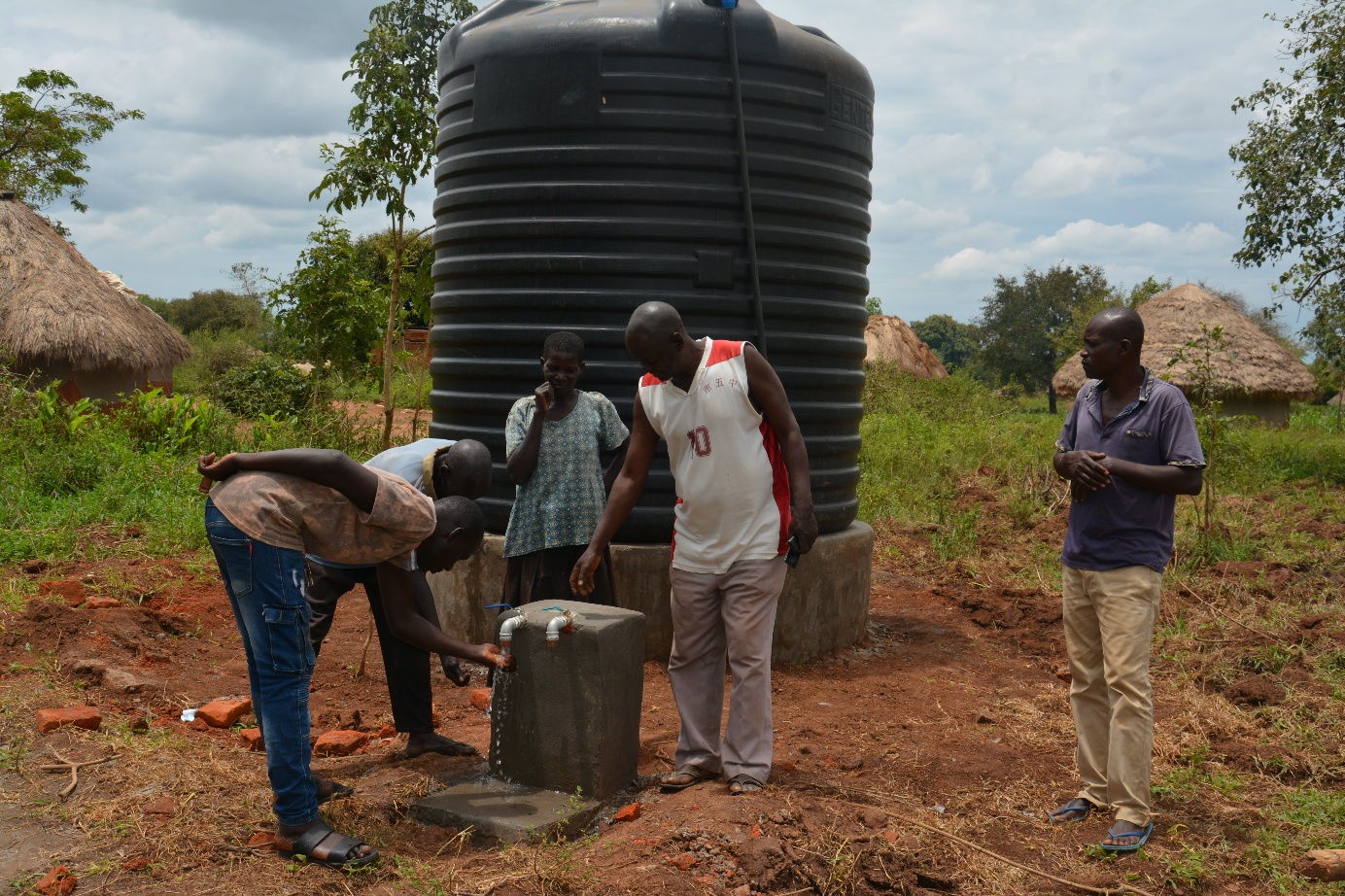
Securing Water for a Greener Future
A contractor conducting water yield testing on a newly dug shallow well intended to support the community tree nursery. This important step helps assess water availability for sustainable seedling production, environmental conservation and climate resilience.
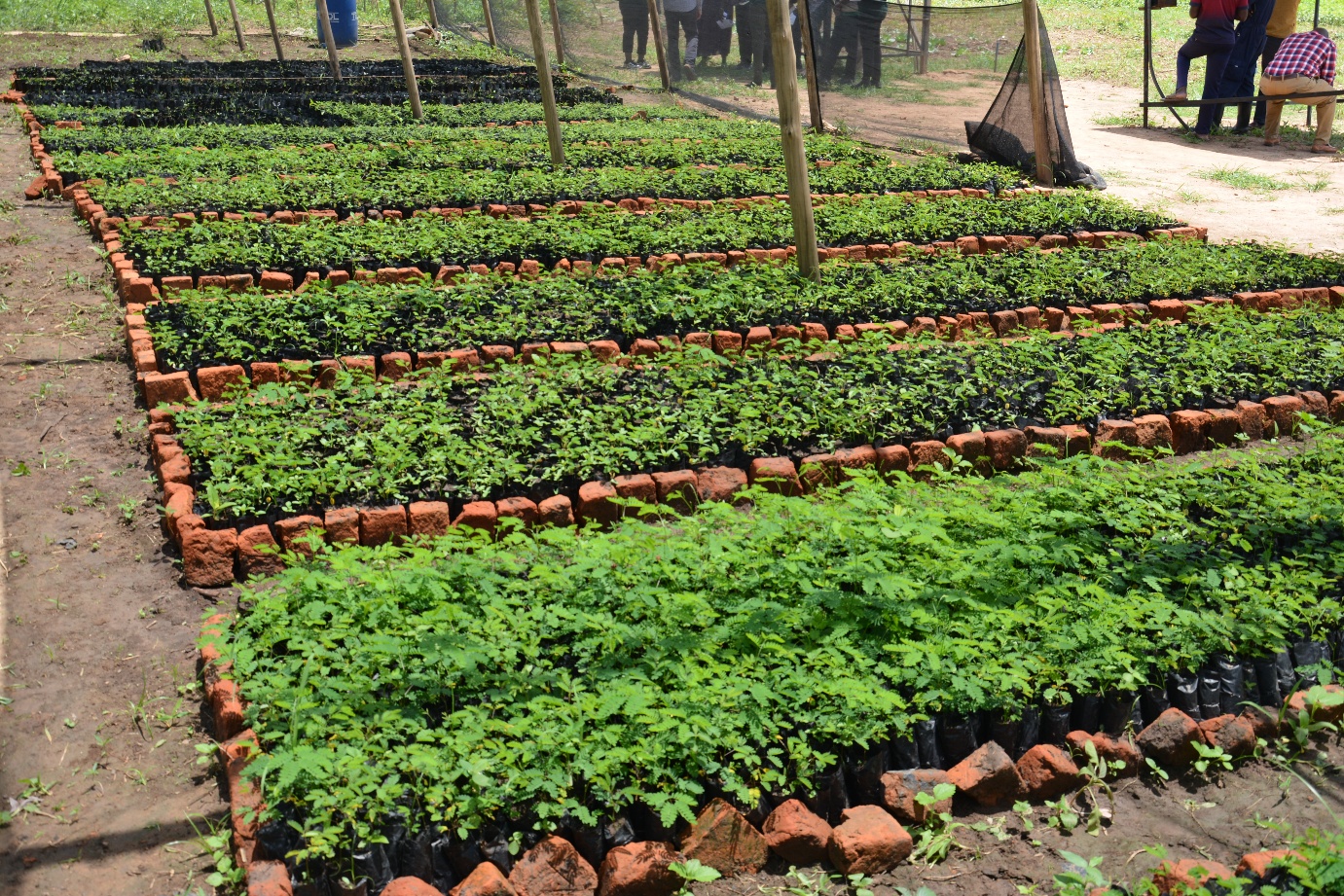
Growing a Greener, More Sustainable Future
Tree seedlings thriving at the FAPAD Institutional Farm nursery, reflecting our commitment to environmental conservation, climate resilience and sustainable agriculture.
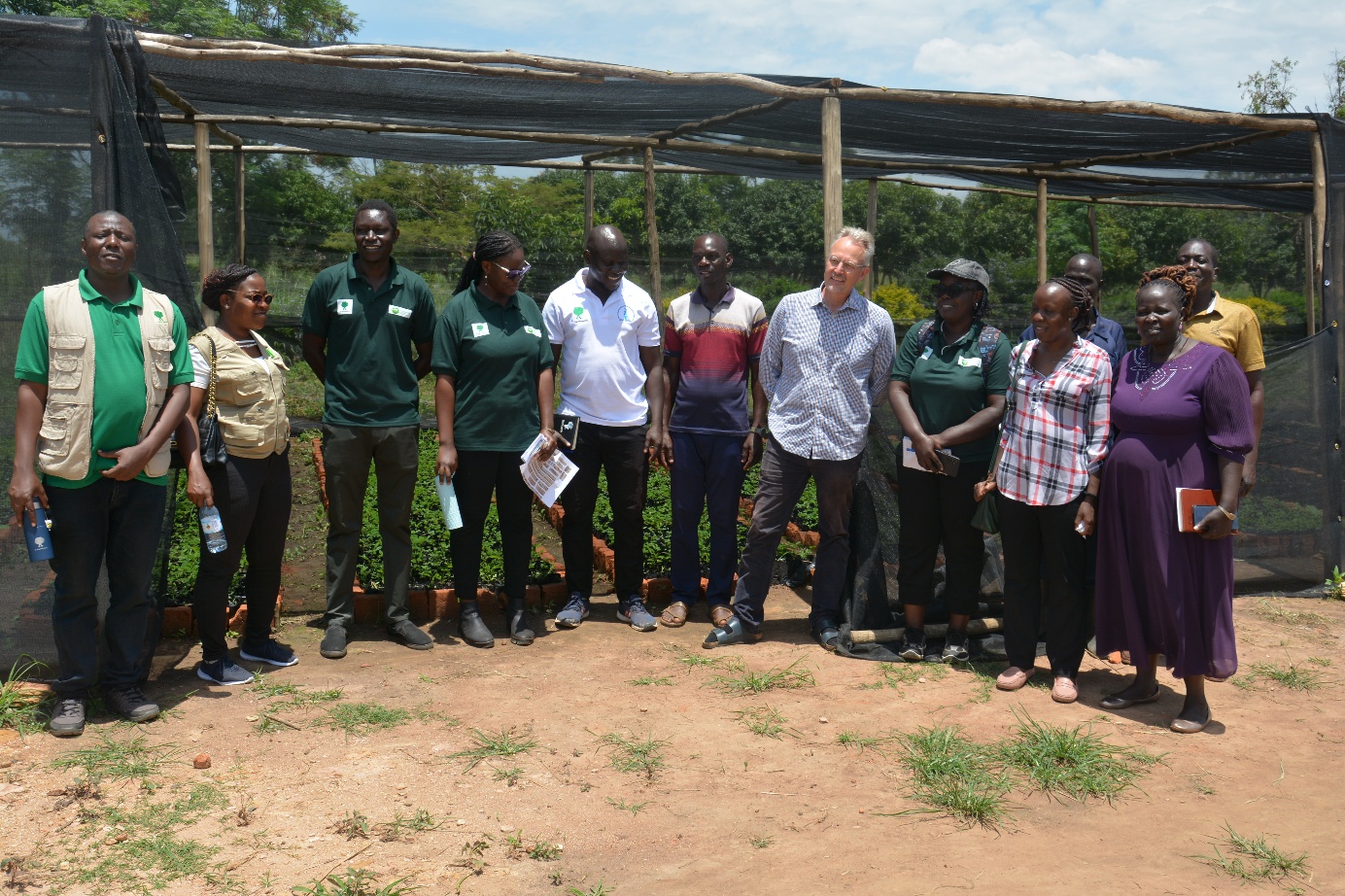
Strengthening Impact Through Joint Monitoring
Vi and FAPAD staff during a Holistic Monitoring Visit, working together to assess project progress, identify challenges and strengthen the effectiveness and sustainability of community development interventions.
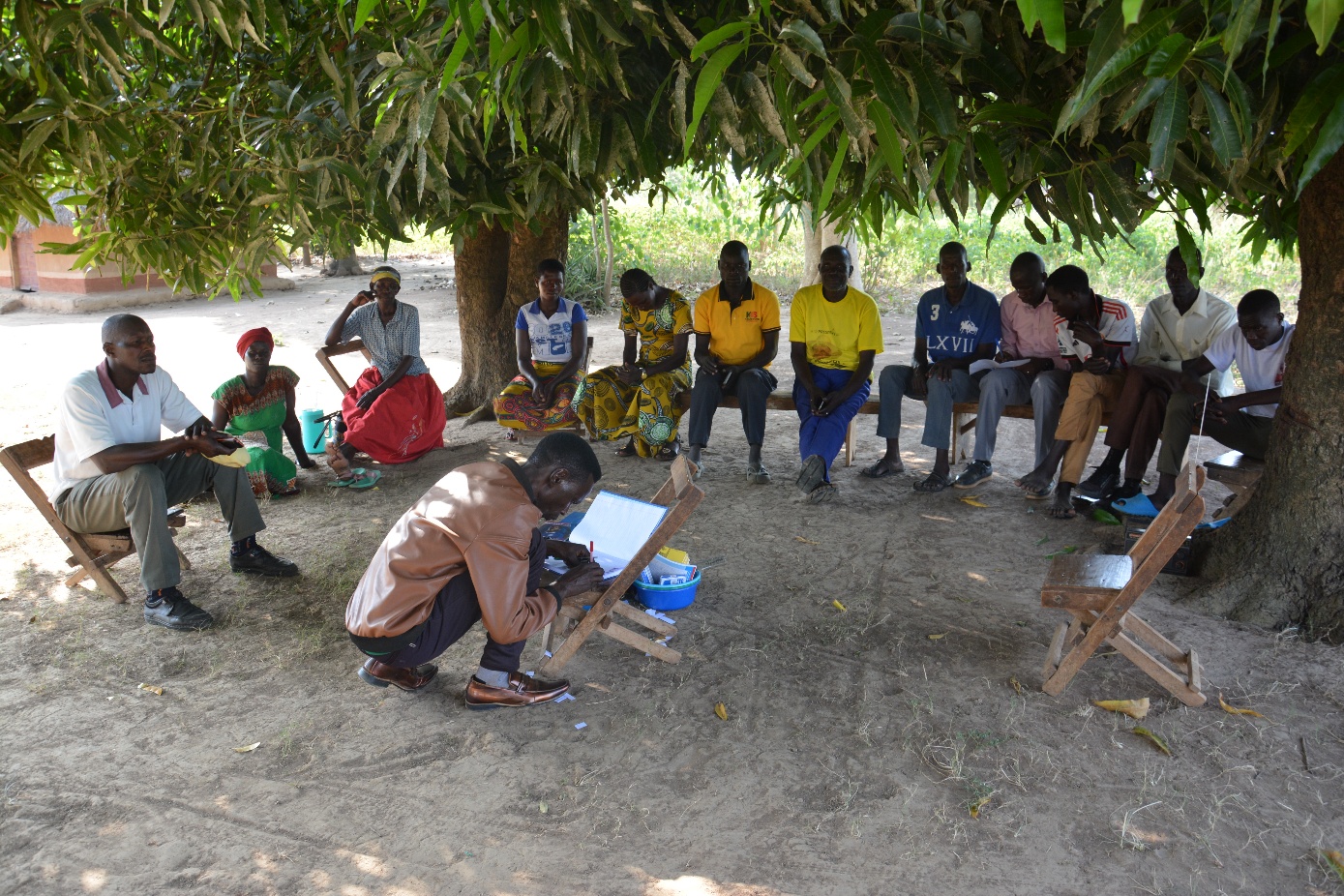
Strengthening Farmer Groups Through VSLA Support
FAPAD Community-Based Trainer (CBT), Tonny Obwona, providing backstopping support to farmer groups on Village Savings and Loan Association (VSLA) practices, strengthening financial management, group sustainability and economic resilience.
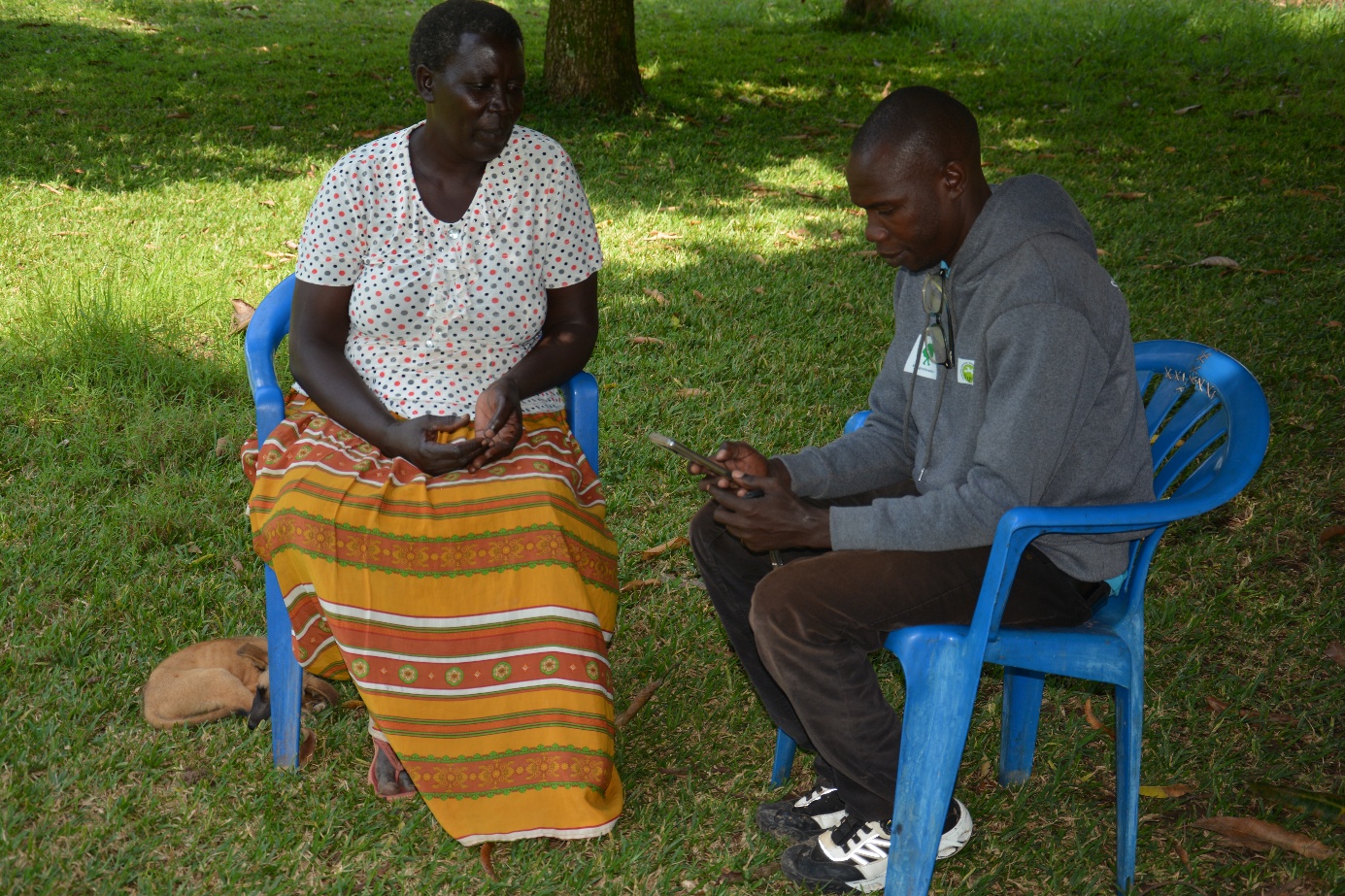
Strengthening Community Development Through Data
FAPAD staff member Patrick Okwir conducting baseline survey data collection to gather essential information that will inform evidence-based planning, effective project implementation and monitoring of community development interventions.