+256 39 285 2474 info@fapaduganda.org
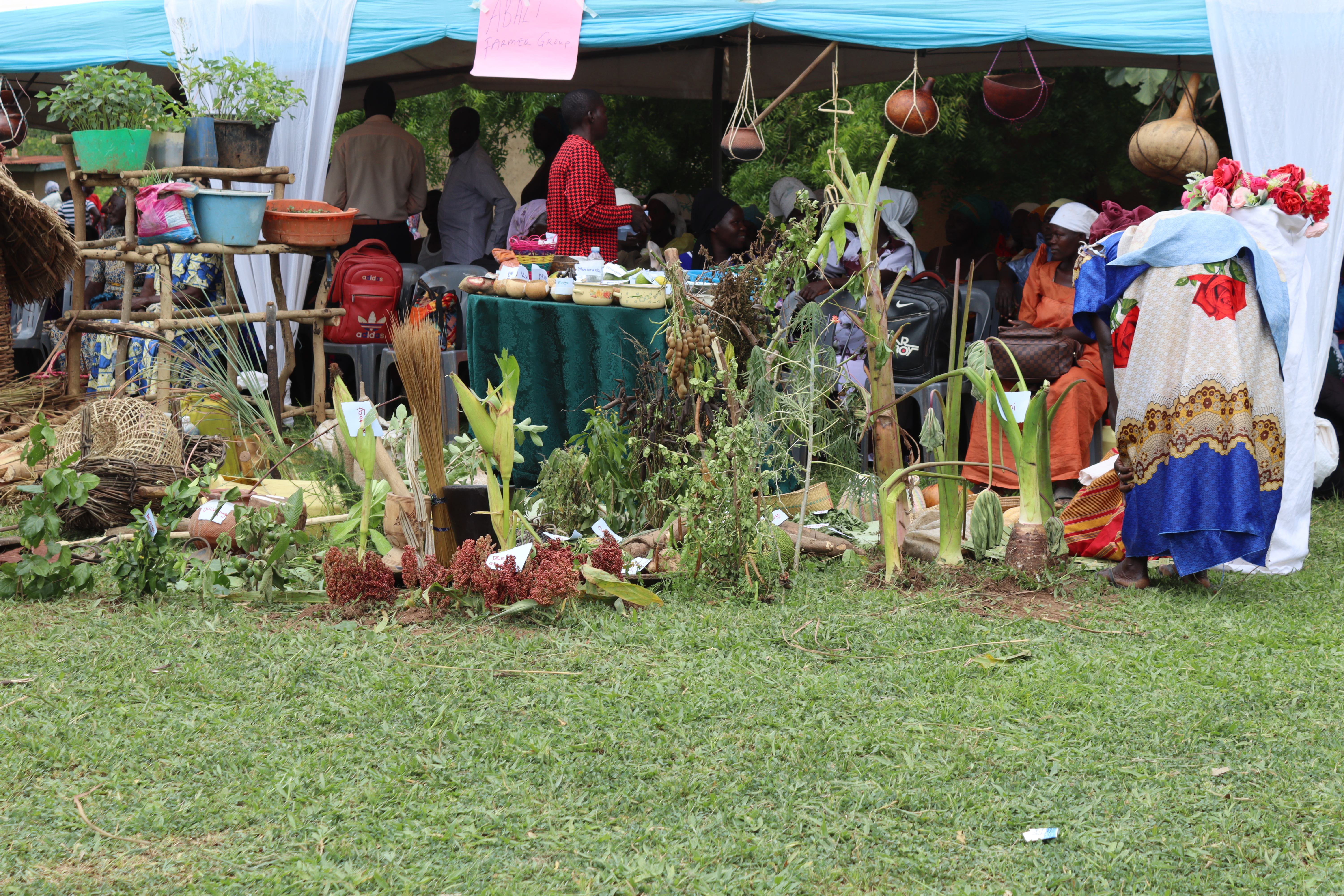
Food and seed fair display Food and seed fair display
October 07, 2026 · Food and Seed Fair

A Colourful Celebration of Lango’s Indigenous Food and Seed Heritage.

Amolatar Town Council Ground came alive on 7 October 2026 as farmers, women, cultural leaders, young people, government representatives, development partners and community members gathered for the 3rd Regional Indigenous Food and Seed Fair, hosted by Facilitation for Peace and Development (FAPAD).

Held under the theme “Celebrating Women, Indigenous Food and Seeds,” the fair brought together more than 1,000 people from across the Lango sub-region for a colourful celebration of the foods, seeds, knowledge and traditions that have sustained communities for generations.

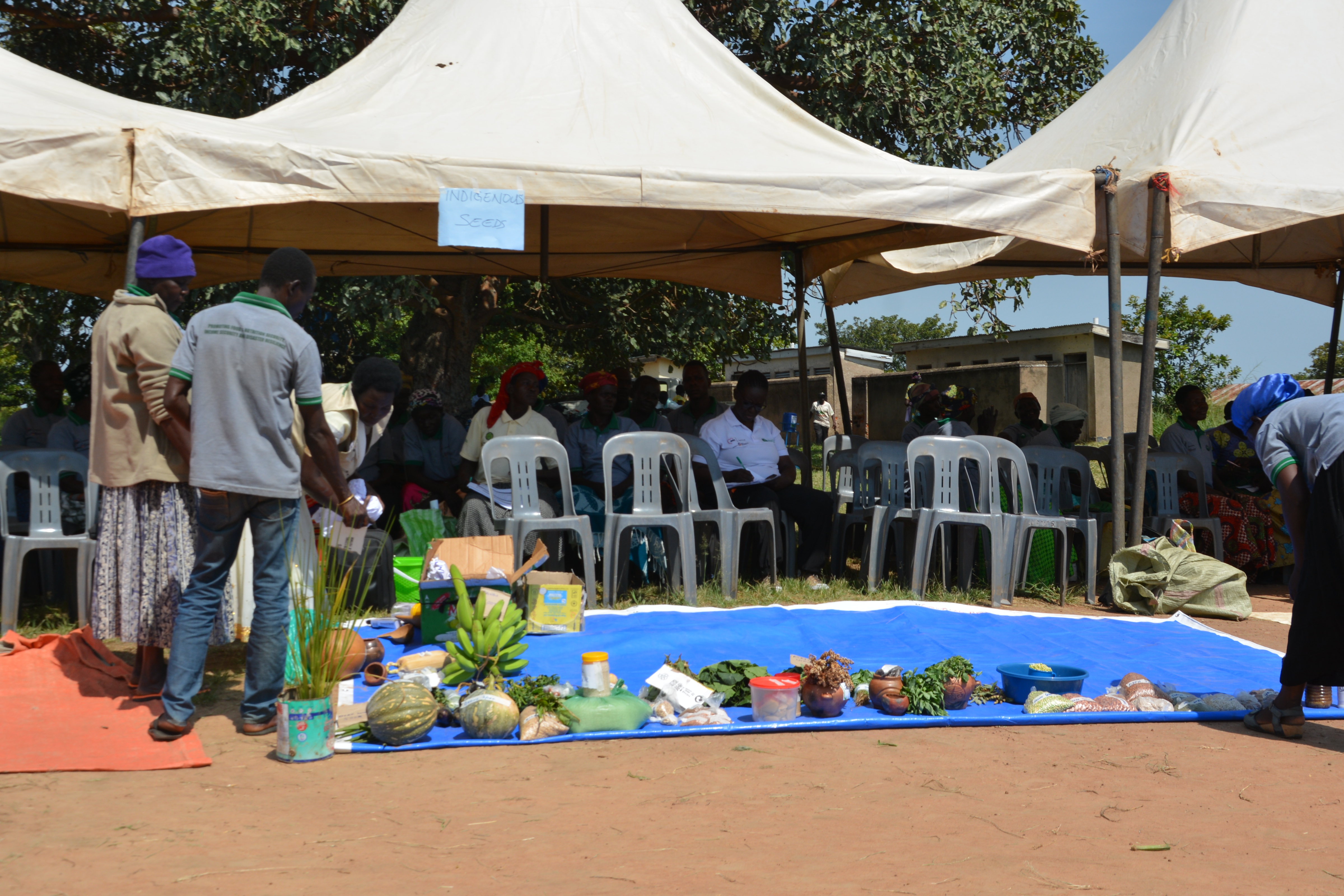
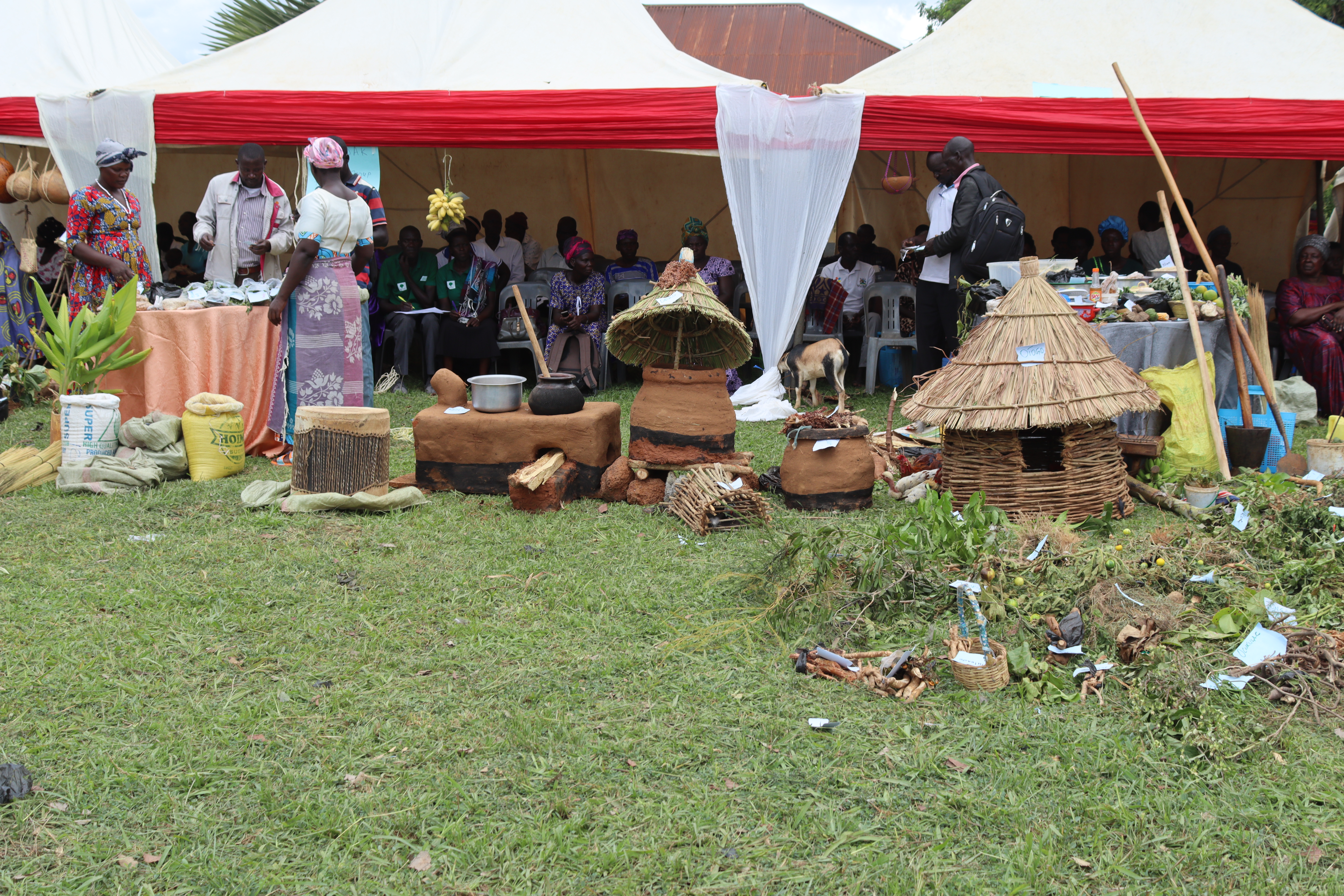
The atmosphere was vibrant. Colourful displays of indigenous seeds and traditional foods filled the exhibition spaces, while the sounds of traditional dances, songs, drama and storytelling brought the cultural heritage of Lango to life. Farmers proudly shared their seeds and knowledge, while visitors explored indigenous foods, herbs, value-added products, biofertilizers and biopesticides.

For many participants, the fair was more than an exhibition. It was an opportunity to reconnect with foods and seeds that are part of their everyday lives and cultural identity. Cooking demonstrations and food tasting created a particularly engaging experience, allowing participants to rediscover the richness, diversity and nutritional value of indigenous foods.

A special highlight was the participation of a delegation from the Agong Foundation, whose presence added warmth and significance to the celebration. Their engagement with farmers, exhibitors and other participants made the event even more memorable and reinforced the importance of cultural leadership in protecting the food, seed and knowledge heritage of the Lango people.

The fair also celebrated the women who have quietly carried this heritage from one generation to the next. From selecting and storing seeds to preparing traditional foods and passing knowledge to their children, women remain at the heart of indigenous food systems. The event provided an opportunity to recognize their contribution and to call for greater support for their leadership in shaping sustainable food systems.

Beyond the celebration, the fair created space for important conversations about food security, biodiversity, food sovereignty and farmer-managed seed systems. Farmers, researchers, government representatives, agroecology practitioners, cultural leaders and development partners shared experiences and explored ways of working together to protect indigenous seeds and strengthen local food systems.

The day ended with an award ceremony recognizing outstanding exhibitors, bringing an exciting conclusion to a day filled with learning, celebration, culture and community.

The 3rd Regional Indigenous Food and Seed Fair was a powerful reminder that seeds are more than what we plant in the soil, and food is more than what we put on our plates. They carry our history, culture, knowledge and hopes for the future. By celebrating and protecting them today, communities in Lango are helping to ensure that this rich heritage remains alive for generations to come.
symposium display symposium display
October 08, 2026 · 1st Lango-Regional Agroecology Symposium

Lango Agroecology Symposium Turns Dialogue into a Call for Action

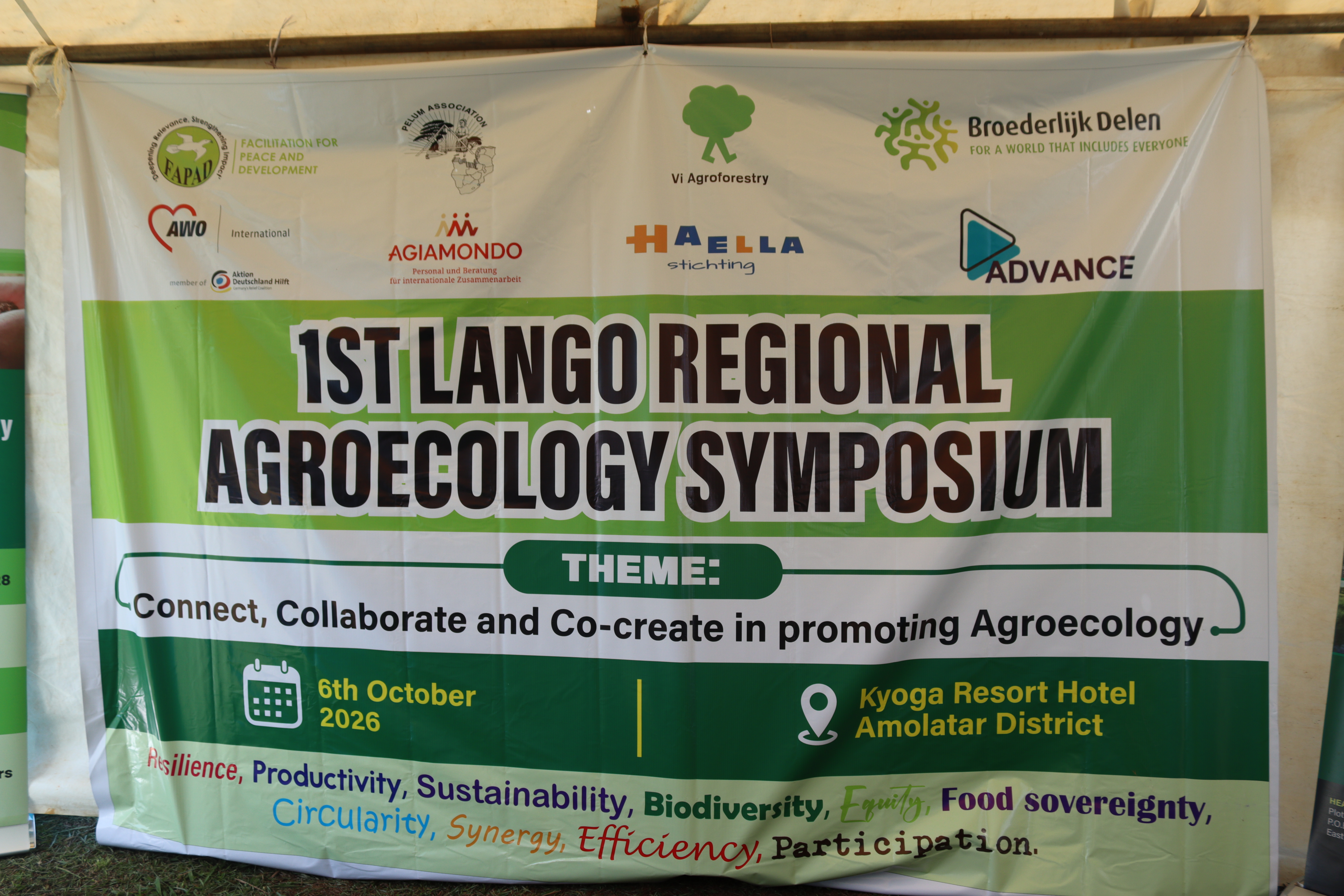
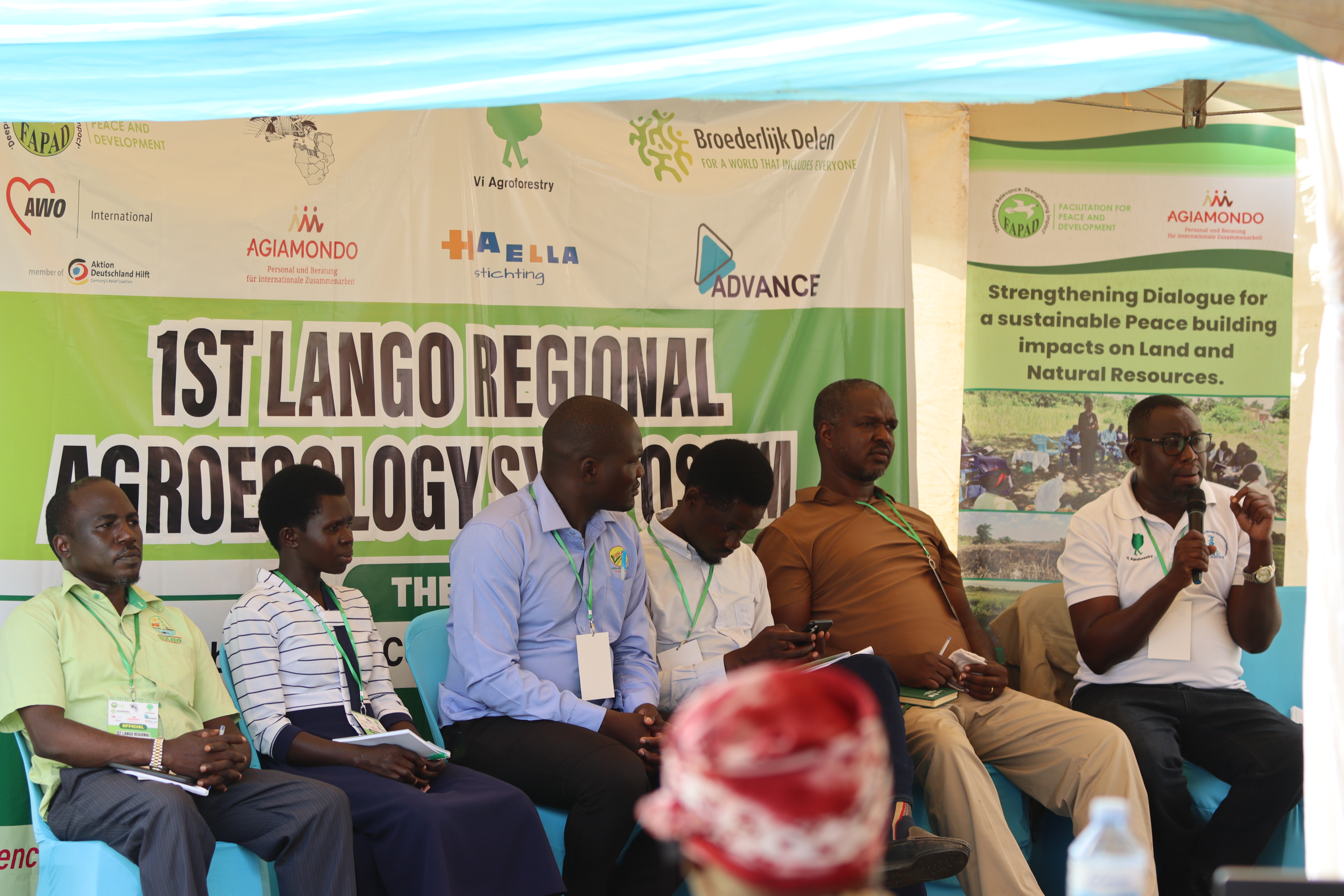
The 1st Lango-Regional Agroecology Symposium, held on 6 October 2026 at Kyoga Resort Hotel in Amolatar District, brought together approximately 120 participants from across the Lango sub-region to advance dialogue and collaboration on sustainable and resilient food systems.

Hosted by Facilitation for Peace and Development (FAPAD) under the theme “Connect, Collaborate and Co-create in Promoting Agroecology,” the symposium convened farmers, researchers, government representatives, civil society organisations, development partners, cultural and religious leaders, private sector actors and the media.

The symposium provided a platform for stakeholders to exchange experiences, share evidence and identify practical actions for advancing agroecology in the region. Farmers shared experiences from their production systems, researchers presented evidence from Participatory Action Research, while government representatives, civil society organisations and development partners reflected on policy, extension services and community-level experiences.

The presentation of Participatory Action Research findings generated constructive discussion on the opportunities and challenges facing farmers and communities. Panel discussions further examined the policy, institutional and practical measures required to strengthen agroecological approaches across Lango.

  1. Strengthen District Farmers Associations
  2. Participants called on the Uganda National Farmers Federation (UNFFE) and Lango District Local Governments to work together to revitalise and strengthen District Farmers Associations (DFAs) within the UNFFE farmer-organisation structure.
    Stronger DFAs can provide effective platforms for farmer representation, advocacy, extension services, production, market access and access to agricultural information.

  3. Improve Information on Agricultural Chemicals
  4. Participants called on Lango districts to widely disseminate MAAIF information on prohibited, restricted and unregistered agricultural chemicals.
    Farmers should also receive clear and accessible information on the safe and responsible use of approved agricultural inputs to protect human health, soil health, biodiversity and the wider environment.

  5. Integrate Agroecology into Uganda’s Climate Commitments
  6. The symposium called on government to strengthen the integration of agroecology into Uganda’s Nationally Determined Contributions (NDCs) and related implementation frameworks.
    Participants recognised agroecology as an important approach for strengthening climate resilience, supporting sustainable food production and improving the capacity of farming communities to respond to climate-related risks.

  7. Strengthen NARO–Lango Cultural Institution Collaboration
  8. Participants called for the National Agricultural Research Organisation (NARO) to extend its existing partnership approach with cultural institutions to the Lango cultural institution, working through Ngetta Zonal Agricultural Research and Development Institute (Ngetta ZARDI).
    Such collaboration could provide an important platform for promoting agroecology, indigenous and local knowledge, sustainable agricultural practices and appropriate agricultural technologies across the Lango sub-region.

  9. Create an Enabling Policy Environment for Agroecology
  10. Participants called for policies that actively promote and incentivise agroecology, including support for agroecological inputs, appropriate tax incentives and community seed banks.
    An enabling policy environment is essential to ensure that farmers can adopt sustainable agricultural practices and access the knowledge, inputs, markets and services required to make these practices economically viable.

  11. Bring Soil Testing Services Closer to Farmers
  12. The symposium highlighted the need for districts to invest in accessible soil-testing facilities and services.
    Improved access to soil information can enable farmers and extension workers to make more informed decisions on soil–crop suitability, soil fertility management and appropriate input application. This can contribute to improved productivity while promoting the long-term health and sustainability of agricultural land.

From Dialogue to Action

The symposium also featured an exhibition of value-added products and agroecological innovations, showcasing the creativity, knowledge and entrepreneurial potential within the region. The exhibition demonstrated how agroecology can contribute not only to food and nutrition security, but also to household incomes, enterprise development and local economic growth.
Beyond the technical discussions, the symposium strengthened connections among stakeholders working across different sectors. Participants identified areas of common interest, exchanged experiences and explored opportunities for continued collaboration.
This reflected the central message of the symposium: Connect. Collaborate. Co-create.
The discussions reinforced that advancing agroecology cannot be the responsibility of farmers alone. It requires coordinated action among farmers, researchers, government institutions, cultural institutions, civil society organisations, private sector actors and development partners.
The 1st Lango-Regional Agroecology Symposium therefore marked an important milestone in strengthening the regional agroecology movement. It provided a platform for evidence- based dialogue, knowledge exchange and collective reflection, while generating practical recommendations for action.

VI display VI display
September 19, 2026 · A visit to Amolatar

Facilitation for Peace and Development (FAPAD) Hosts Vi Agroforestry Team for Holistic Monitoring Visit in Amolatar District.

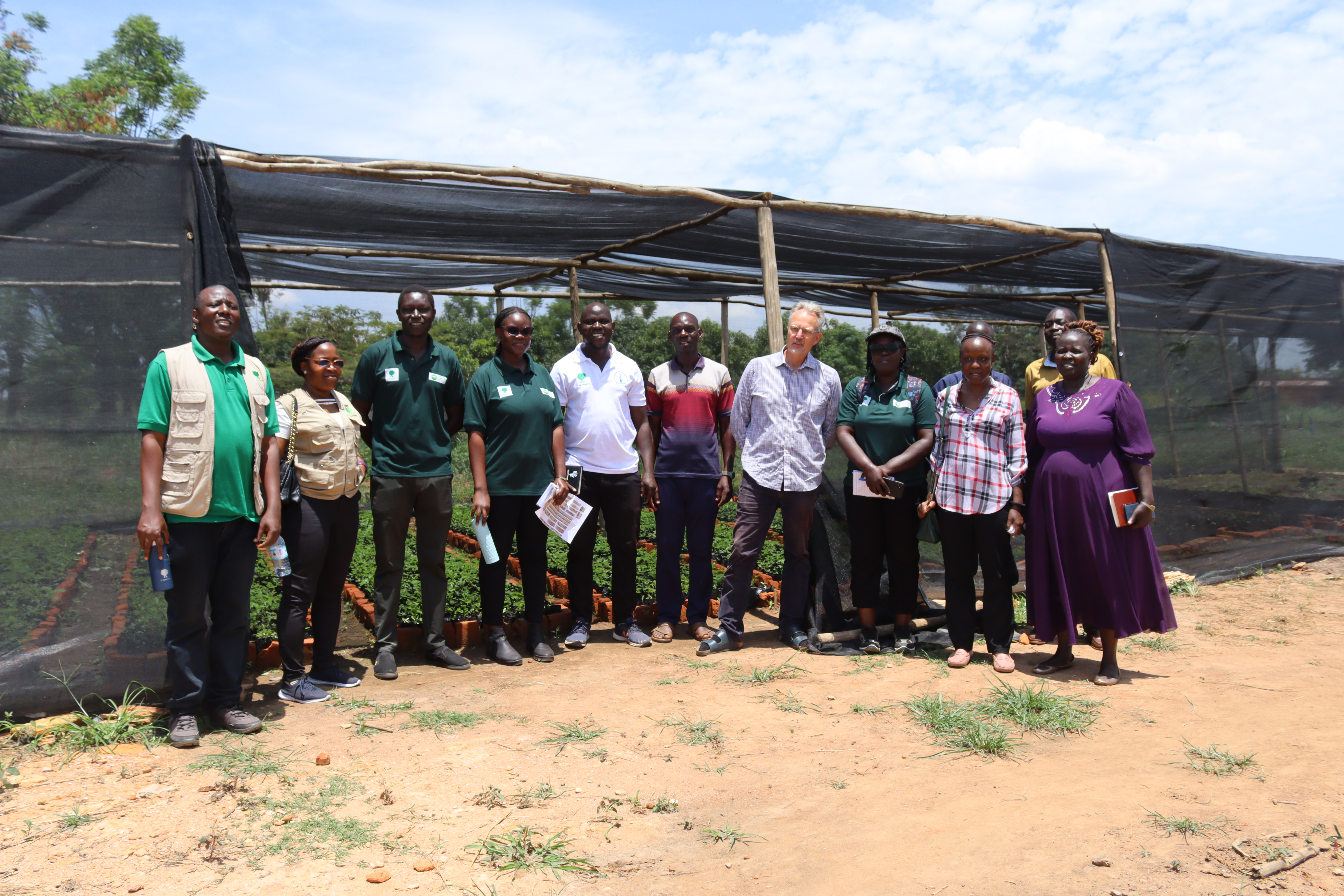
Facilitation for Peace and Development (FAPAD) warmly welcomed the team from Vi Agroforestry for a holistic monitoring visit to evaluate the progress of the "Strengthening Resilience and Food and Nutrition Security for Smallholder Farmers" project (RE-FAN) in Amolatar district.

The visit aimed to follow up on commitments made during the previous engagement, with a focus on key areas including governance, finance, program operations, field activities, and overall project implementation progress.

The visit included a desk review meeting to share updates on progress, identify challenges, and discuss lessons learned. This was complemented by a field visit to project sites, followed by a debriefing session to consolidate observations and outline the way forward.

This monitoring exercise was instrumental in highlighting achievements and success factors, pinpointing areas for improvement and developing a clear action plan to address identified challenges.

As an organization committed to continuous learning, FAPAD values this opportunity to reflect, learn, unlearn, and relearn – steps essential to advancing organizational growth and the mission to improve the quality of life for marginalized communities in Lango sub-region and beyond.

SVH display SVH display
August 28, 2026 · SVH Project

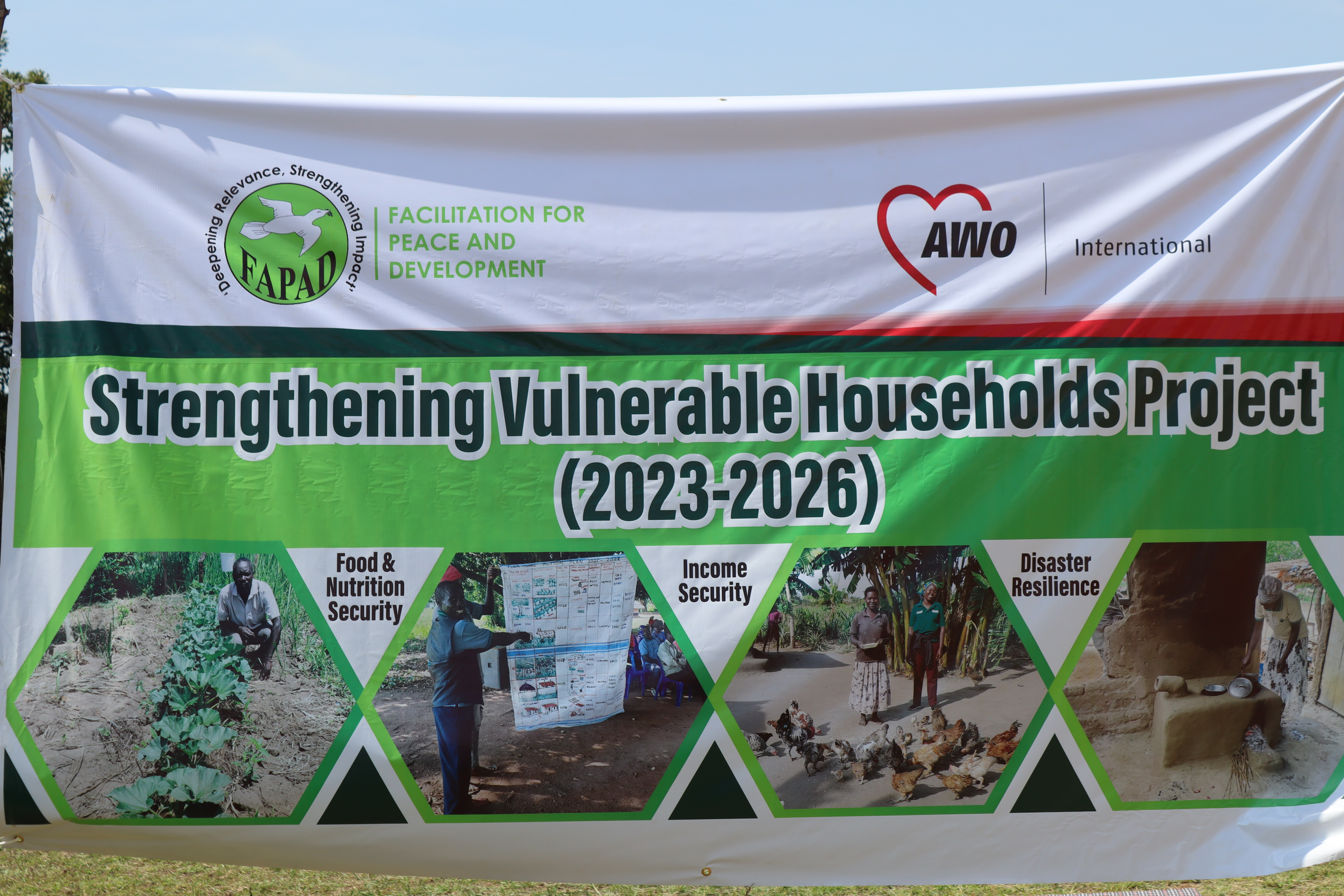
Strengthening Vulnerable Household (SVH) project phase out and learning event.

FAPAD with support from AWO International under the Strengthening Vulnerable Households (SVH) project implemented in Otuke District from August 2023 to August 2026, organized a project phase out and learning event at Adyerakonya primary school in Adyerakonya village, Adyerakonya parish, Adwari sub county on 27 th of August 2026.

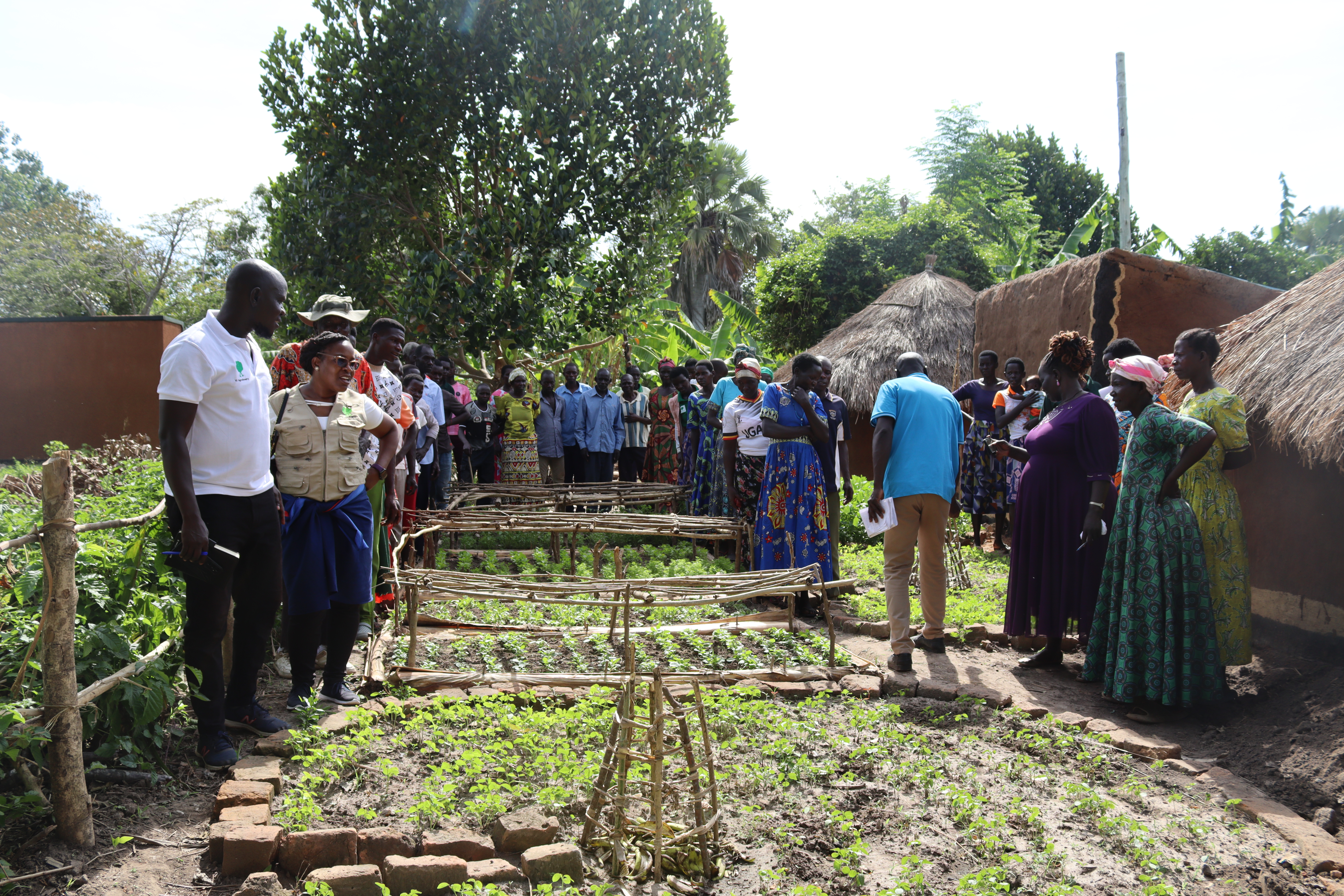
The event brought together farmers from Okwang and Adwari sub counties, community members, partners and stakeholders to celebrate the achievements and innovations promoted throughout the project. The event served as a vibrant platform for farmers to showcase practical solutions on best practices that the project promoted to strengthen food security, increase income and enhance disaster resilience for the targeted 400 vulnerable households through promoting agro ecology practices, Integrated Farm Planning approach (IFP), increase production, financial inclusion through VSLA, strengthening market linkages and strengthening adaptive capacity for disaster resilience.

Highlights of the Showcase

  • Integrated Farm Planning (IFP): Households presented their IFP plans, showing how visual farm maps and action plans guide them in achieving food security, income generation, and resilience.
  • Biopesticides: Farmers demonstrated natural pest control methods that reduce reliance on harmful chemicals.
  • Biofertilizers: Including Bokashi, liquid manure, and plant tea, all of which enrich soils and boost productivity sustainably.
  • Kitchen Gardening: Small household gardens were presented as a way to improve nutrition and diversify diets.
  • Lorena EnergySaving Cook Stoves: Farmers shared how these stoves reduce fuel use, save time, and protect local forests.
  • Agroforestry: Integrating trees into farming systems to improve soil health, provide shade, and diversify income sources.
  • Indigenous Seeds: Showcasing the preservation and use of traditional seed varieties that are resilient and culturally significant.
  • SmallScale Bucket Irrigation: Practical demonstrations of lowcost irrigation systems that help farmers manage water efficiently and ensure crop survival during dry spells.
  • Maize Shelling Machine: Farmers exhibited how this technology reduces drudgery, saves time, and improves postharvest handling efficiency.
  • Village Savings and Loan Associations (VSLA): Farmers shared how VSLA groups strengthen financial inclusion, build savings, and provide access to small loans for household and farm investments
  • Water, Sanitation and Hygiene (WASH): School pupils and teachers showcased improved WASH facilities and behavioral practices that reduce disease, promote safe water use, and enhance household health
  • Paralegal Clinics: Highlighting communitybased legal support that strengthens land rights, protect human rights, reduce domestic violence (gender based violence), and other conflicts and empowers farmers to protect their resources.

Impact

  • This event was not only a celebration but also a knowledgesharing platform, reinforcing the importance of communitydriven, sustainable practices. Farmers expressed pride and interest in adopting innovations that improve livelihoods while safeguarding the environment.
  • Together, we have demonstrated that local solutions can drive lasting change. The project’s legacy will continue through the farmers and communities who are now champions of sustainable agriculture and resilience
Seed and Food Fair display Seed and Food Fair attendees
August 13, 2025 · Food Security Project

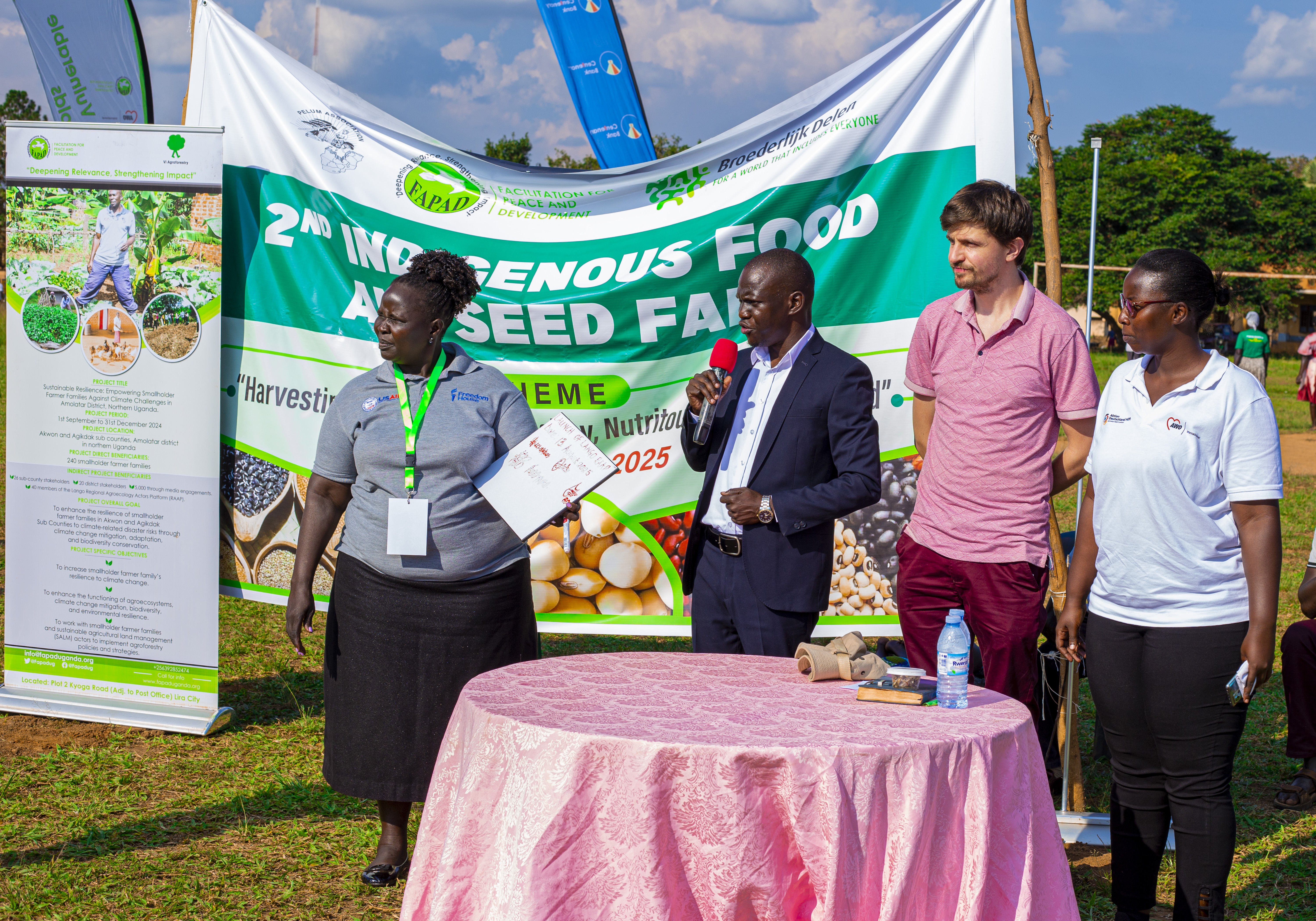
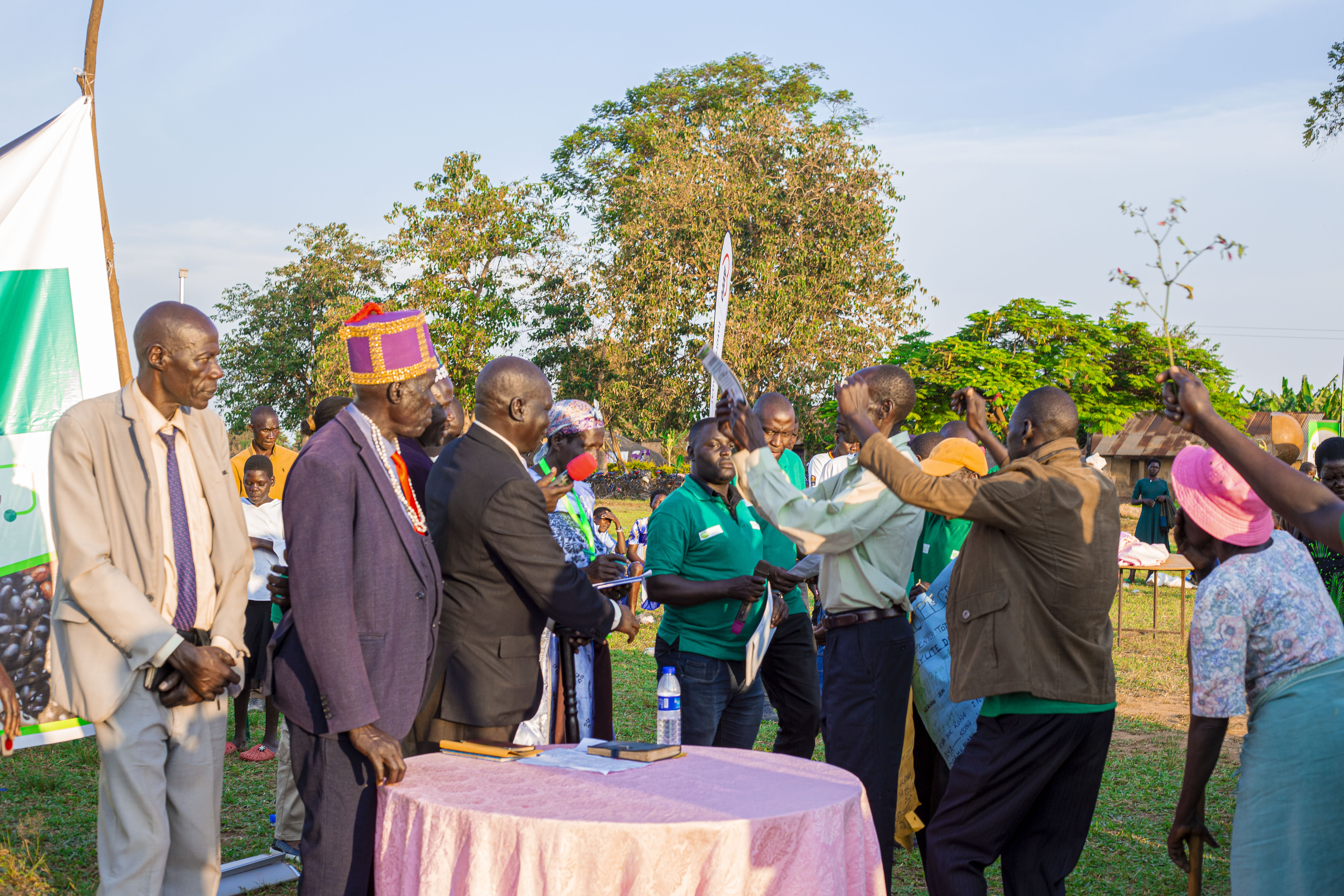
Seed and Food Fair

The seed and food fair was held in Amolatar district, northern Uganda on the 13th August 2025 with support from Broederlijk Delen and PELUM Uganda. The event created awareness on the importance of conserving, producing, distributing, marketing and consuming indigenous foods, recognizing the disconnect of the younger generation from traditional food systems.

Besides showcasing different foods, seeds and agroecology products, the event provided a platform for experience sharing and dialogue on creating an enabling policy environment for scaling up agroecology as a driver for enhancing ecosystem health and transforming food systems towards resilience, equity and sustainability.

Activities during the event included display of indigenous foods, seeds and agroecology products, food testing, seed sharing, cultural dances and speeches by invited guests. The event was organized under the theme "Harvesting and Consuming Healthy and Nutritious Indigenous Food," recognizing the contributions of indigenous seeds and sustainable land management practices in achieving food security. The event was attended by more than 1,000 persons.

IFP Opening Day
September 10, 2025 · FAPAD & Broederlijk Delen

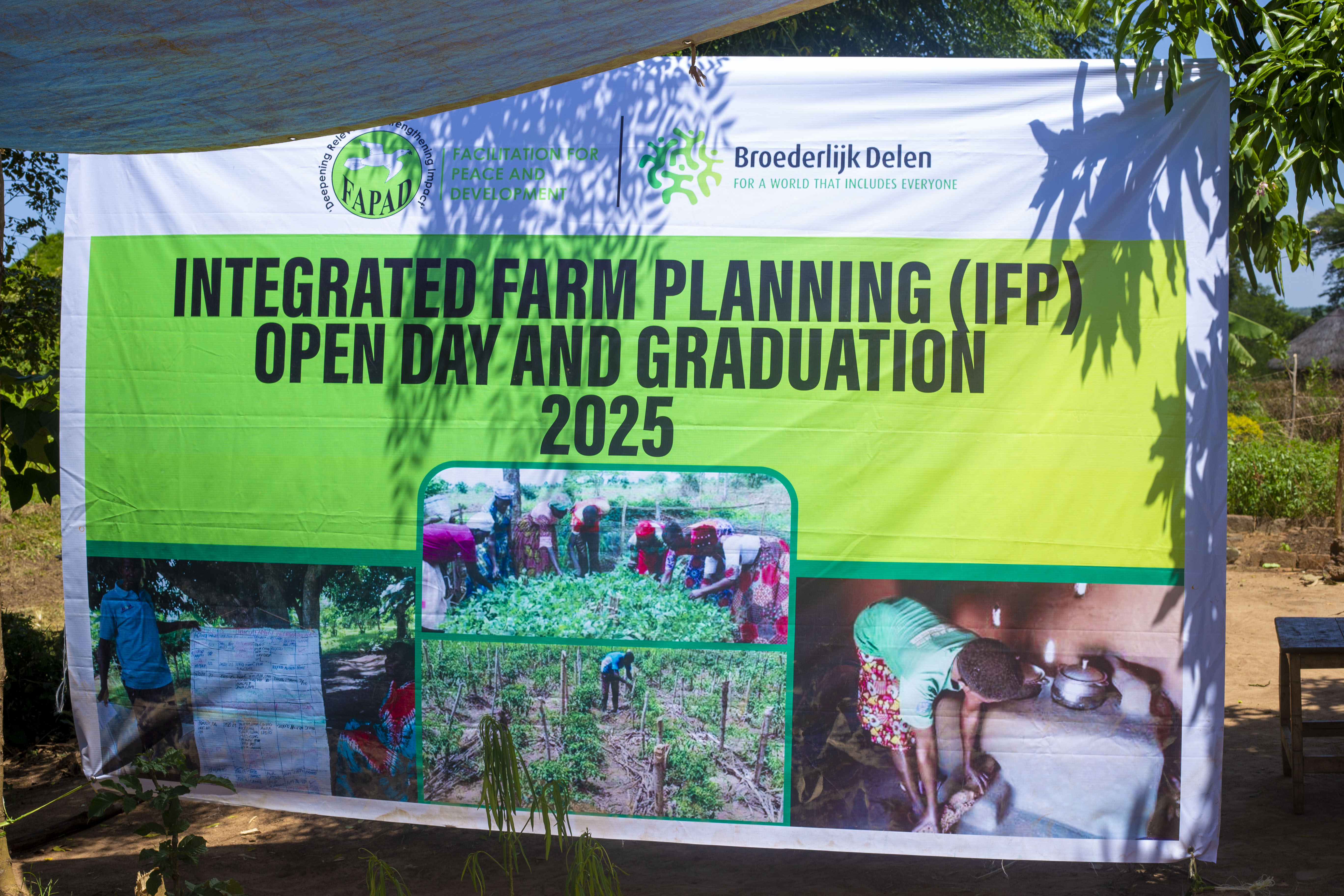
Integrated Farm Planning (IFP): Opening Day & Graduation

The IFP Open Day provided a platform for farmers trained by FAPAD on integrated farm planning (IFP) to showcase their integrated farm plans and share experiences for improvement. The activity additionally served to motivate other members in the community to appreciate and adopt integrated farm planning.

The graduation event served to certify farmers trained by FAPAD as change agents in the community, charged with the responsibility of training other members in the community on integrated farm planning and agroecology practices.

The events occurred between 17th–26th of November 2025 across 8 locations in Muntu and Awelo sub-counties. The events graduated 208 innovative farmers trained by FAPAD on IFP and agroecology practices, and also gave 800 farmers trained by the innovative farmers the chance to showcase the different sets of practices they were trained on.